Beyond Mozzarella: Artisan Cheeses on the Best Pizza Conshohocken Pies

Summary: Mozzarella shows up on nearly every pie, but plenty of other cheeses earn a spot too. Aged provolone, burrata, gorgonzola, and even a few decent plant-based melts all act differently once they meet oven heat. Get a feel for how each melts and tastes, and you end up ordering a better pizza, or at least a more interesting one.

Key Takeaways:
- Water and fat levels vary from cheese to cheese, which determines how it melts and how the slice tastes.
- Sharp, creamy, funky. Each type drags a pie to a different place.
- A decent plant-based melt can fill in for dairy and still give you a real bite.

People order by toppings. The cheese sort of just shows up underneath; nobody thinks about it. Which is a waste, since the cheese might be the thing that decides whether a slice lands flat or sticks with you.

Searching out the best pizza in Conshohocken has to offer? Spend a minute on the cheese list; it gets skipped more than it should. Give a scratch kitchen good dairy, and it can take a pie a dozen directions, and an artisan cheese pizza is honestly a different thing from the cheese-and-sauce pie most of us grew up eating.

No need to memorize any of it. A bit of context changes how the menu reads. So, the cheeses are worth knowing, mozzarella alternatives in the mix, and what each one does under heat.
The Mozzarella Standard

The Mozzarella Standard

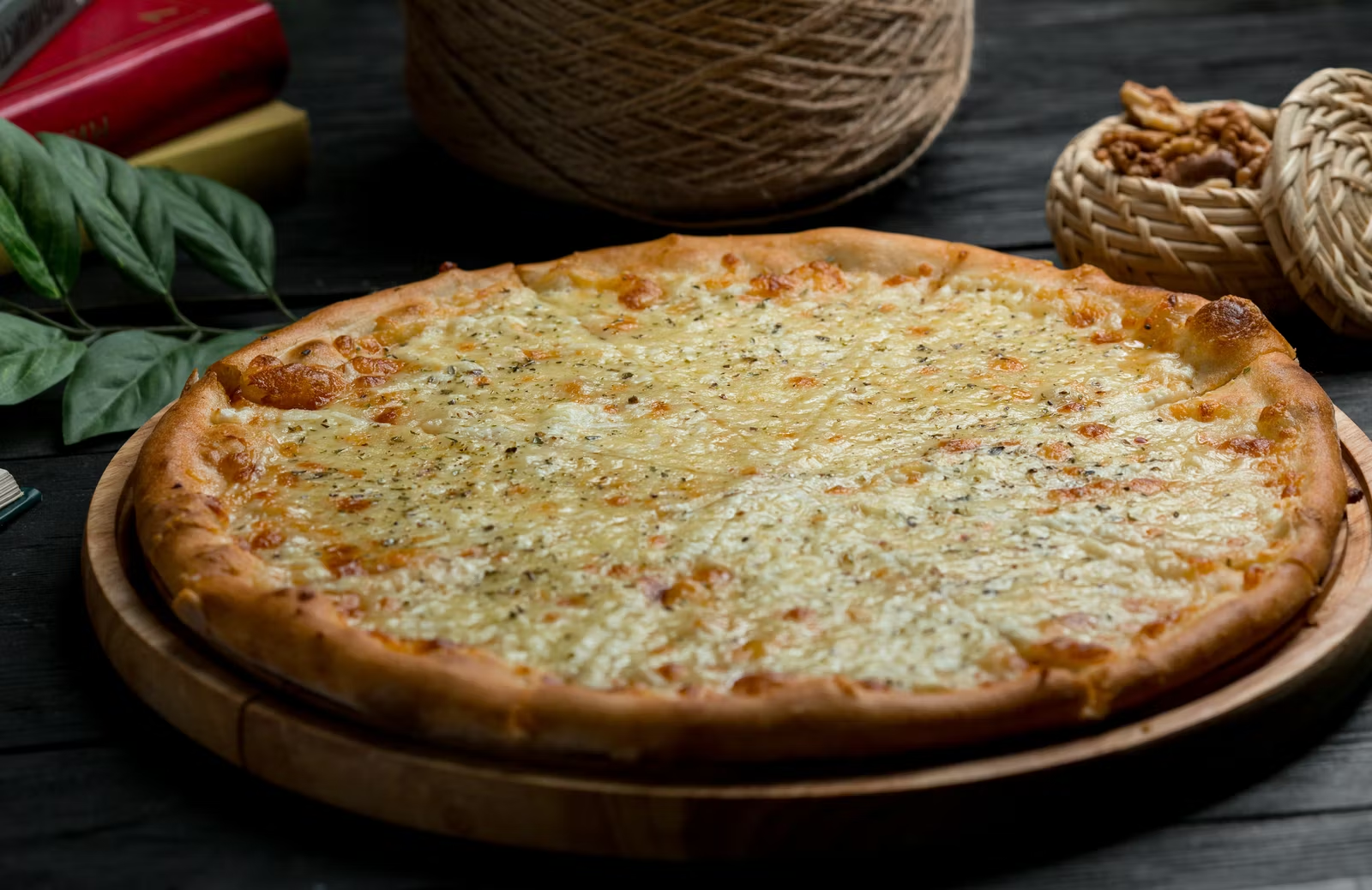
Plain mozzarella can do the job. But our farmers' cheese goes a notch higher, and water is most of the reason. More moisture in it, so it stays soft, milky almost, none of that rubbery pull, all while contributing a little bite.

The creaminess shifts the entire mouthfeel. Milder than you would guess, the flavor, and that is sort of the whole idea. Sauce and toppings get to come forward instead of wrestling the cheese.

What sets farmers apart:
- More water in it, which means a softer, wetter melt.
- A clean, milky taste that hangs back, alongside a sharp bite.
- Goes on fresh, sometimes after the bake, so it doesn't dry out.

Sharp and Salty Cheeses for Flavor Building

Sharp and Salty Cheeses for Flavor Building

A few cheeses are on the pie to build flavor, not to melt flat across it. Aged provolone has a sharp edge. Grana Padano lands close to Parmesan, firm and nutty.

Grated in small amounts, usually. You don't need much, and piling on too much, and the thing turns brutally salty in a hurry.

Where these earn their place:
- Aged provolone for a sharp backbone.
- Pecorino Romano over the top, salt and bite.
- Grana Padano if you are after a nutty finish.

Creamy Alternatives for a Soft Finish

Creamy Alternatives for a Soft Finish

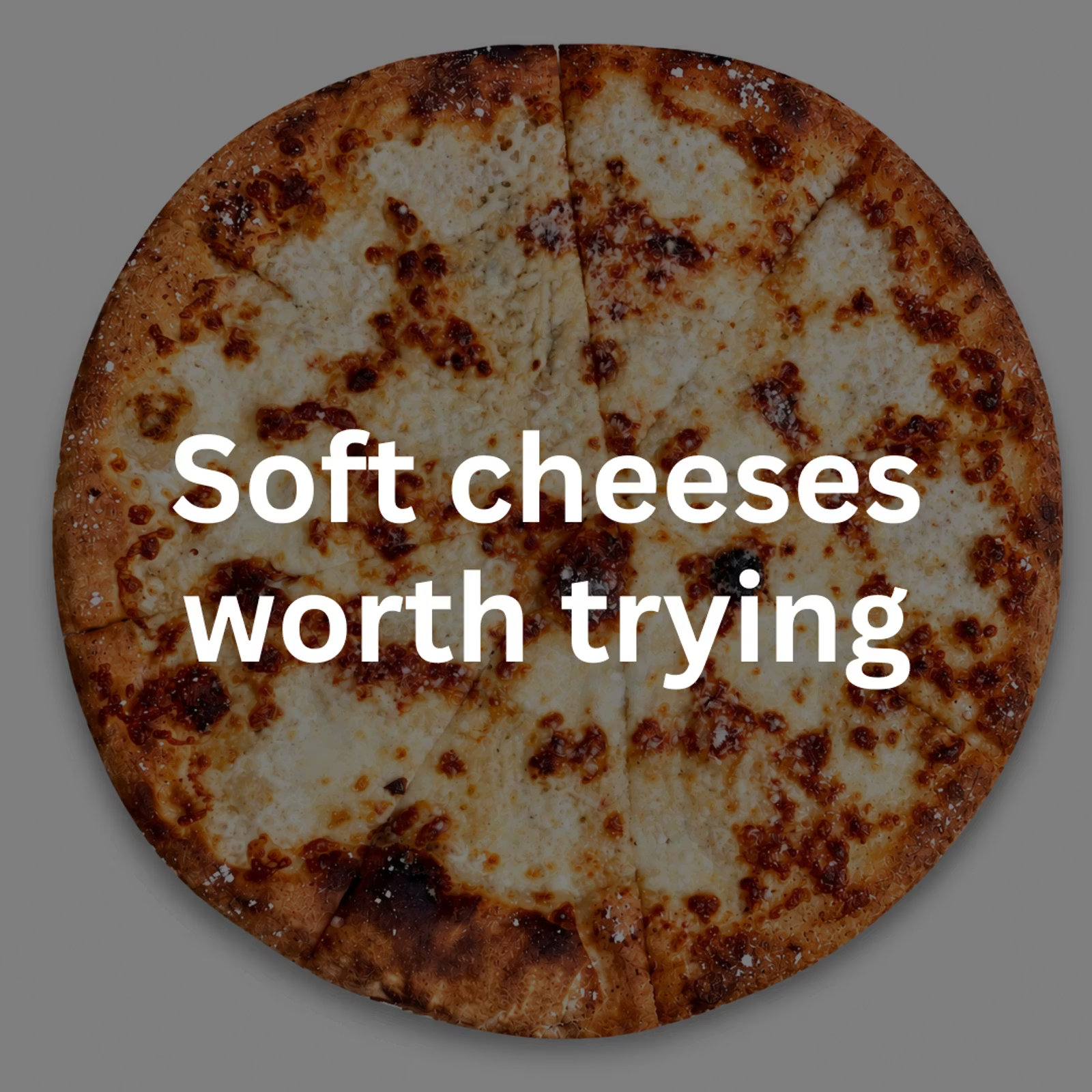
Then the soft ones, the cheeses that come off as fancy without trying hard. Ricotta lands in little clouds, stays mild. Burrata is basically mozzarella with a creamy center that spills out the second you cut into it. Goat cheese throws a tang that slices through heavier toppings.

White pie territory, mostly. Or a red one, used sparingly. Texture is half the reason you reach for them.

Soft cheeses worth trying:
- Stracciatella (that creamy cheese at the center of burrata) dropped in dollops across the pie.
- Feta over a pie that is already done.
- Goat cheese next to something sweet, fig or honey.

Bold and Funky Cheeses on a White Pie

Bold and Funky Cheeses on a White Pie

Now the cheeses people flinch at. Gorgonzola, sharp, salty, and funky, with zero apology. Put it on the wrong pie and they swallow it whole. The right pie, and they are exactly why you remember the thing.

White pie is where they usually live, no tomato to argue with. Offset the funk with something sweet, or a quieter cheese like farmers cheese, and it holds together way better than it should.

How to handle the strong stuff:
- Gorgonzola with pear, agave, or caramelized onion.
- Build on a white base so the flavor has somewhere to go.

Plant-Based Cheese Options Worth a Look

Plant-Based Cheese Options Worth a Look

Plant-based melts were a greasy, sad compromise once. That has changed. The good ones stretch and brown almost like dairy now, and a kitchen that bothers to use them well can put out a real pie for anyone leaving cheese off.

It is one option on the menu. Not the headline. Still, for someone who needs it, a solid plant-based melt is the difference between a real slice and a sauce-only one.

What a quality plant-based melt should do:
- Melt and brown for real, not just go soft.
- Bring some flavor of its own, not taste like nothing.
- Sit under toppings without sliding into grease.
- Avoid that sticky mouth feel of the standard vegan cheeses on the market.

The Perfect Melt and Why Fat Content Matters

The Perfect Melt and Why Fat Content Matters

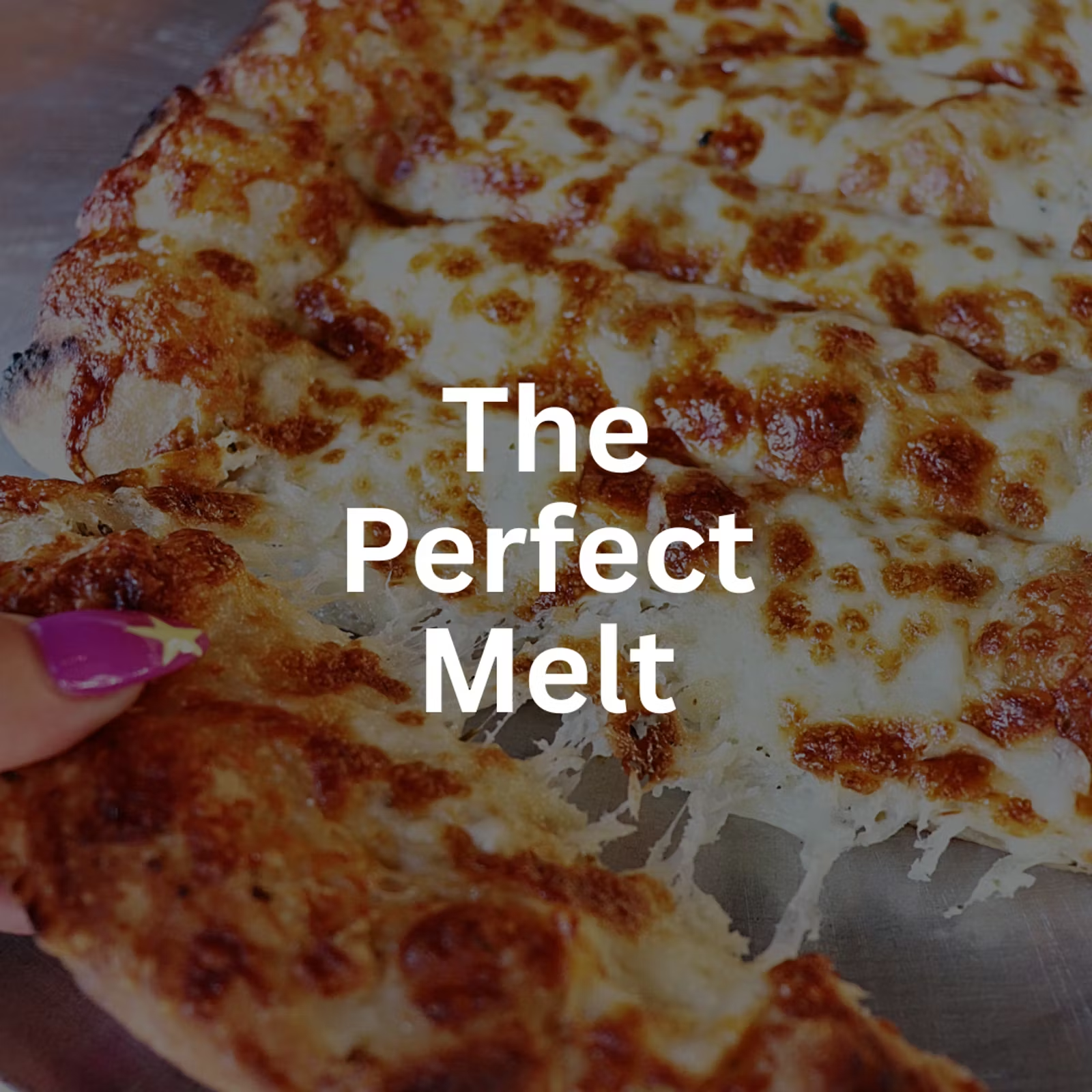
Here is the bit nobody bothers to spell out. Smooth sheet versus greasy seized-up mess, it comes down to fat and moisture. Fattier cheeses melt smooth. The dry aged ones can split or scorch when the oven is cranked.

So kitchens blend them. Something melty for coverage, something sharp grated over for flavor, maybe a soft one dropped on late. Less of a guess than it looks.

The basics of a clean melt:
- Higher-fat cheeses spread into a smooth layer.
- Aged, low-moisture cheeses work as accents, not the base.
- Timing counts, since the delicate ones do better near the end.

Ordering a Pie Without the Farmers Cheese

Ordering a Pie Without the Farmers Cheese

So, small dare for your next order. Leave the farmers off completely. Build on stracciatella, or get funky with gorgonzola on a white base, and find out what you have been skipping.

Somewhere like The Tomato Shack in Conshohocken, a scratch kitchen, makes that an easy gamble, since the dough and the cheese range carry the weight no matter what you pick. Could be the cheese, not the toppings, turns out to be the reason you come back.